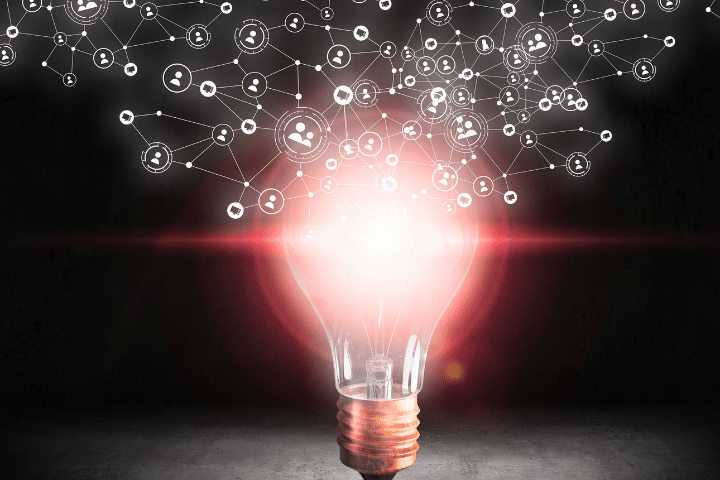
Artificial intelligence has ceased to be an exclusive resource for large corporations or futuristic projects. Today, it is becoming an intrinsic part of corporate software development, appearing quietly yet powerfully in the solutions we use every day. This phenomenon, known as embedded AI, is transforming how systems operate and how companies leverage technology to drive efficiency, innovation, and competitive advantage.
The Evolution of Intelligence in Software
A few years ago, having an application with artificial intelligence capabilities was seen as an almost unattainable differentiator for many organizations. Complex algorithms and high costs made this technology restrictive. However, the popularization of machine learning tools, the availability of intelligent APIs, and the maturity of cloud platforms have paved the way for AI to be naturally integrated into systems.
Today, management software, CRMs, ERPs, and even consumer applications already include embedded AI modules capable of automating decisions, forecasting demands, and personalizing interactions. What was once an accessory is now becoming the standard.
From Support to Autonomy
The main transformation of embedded AI is the ability for systems to move from being mere support tools to active collaborators in the decision-making process. A customer service software, for example, does more than just log interactions: it suggests responses, prioritizes tickets, and identifies behavioral patterns that would have previously gone unnoticed.
In industrial environments, intelligent systems adjust production parameters in real time. In finance, they analyze credit risks instantly. In marketing, they recommend campaigns based on customers’ historical behavior. This transition from passivity to autonomy is what differentiates modern software.
Business Impacts
Integrating embedded AI brings direct implications for companies of all sizes. On one hand, there is a clear gain in efficiency: fewer human errors, faster operations, and greater analytical capacity. On the other hand, it requires cultural adaptation, as teams must learn to trust systems that not only execute tasks but also suggest—and often make—strategic decisions.
This shift redefines internal processes, changes management models, and drives new forms of customer engagement. In an increasingly competitive landscape, adopting intelligent software is not just a matter of modernization—it is a matter of survival.
The Future of Embedded Intelligence
As algorithms evolve and processing power expands, the trend is for embedded AI to become invisible to the end user. Just as we no longer question the presence of digital security features in almost all software, soon it will be impossible to think of systems without integrated intelligence.
The future points to solutions that continuously learn, adapting in real time to context, users, and business needs. For companies, this means entering an era where every application carries a layer of intelligence, ready to transform data into decisions.
The Path to Innovation
Companies that want to remain competitive must start viewing their systems not only as execution tools but as strategic partners. Incorporating embedded AI into software requires vision, planning, and choosing a development partner who understands both business needs and technological possibilities.
Ubistart helps companies turn ideas into intelligent solutions, creating software that is designed from the ground up for the future. If your organization seeks to innovate with systems that combine efficiency, scalability, and artificial intelligence, now is the time to take the next step.
Discover how Ubistart can take your company into the era of intelligent software. Contact us and begin your journey toward innovation.